
Farms often use electricity across long operating hours, with demand from ventilation, lighting, refrigeration, pumps, feeding equipment and workshops. Solar PV can generate power on site, while battery storage may help retain more of that generation for use at a different time.
The strongest projects start with real consumption data and a detailed site survey. Roof condition, electrical capacity, demand patterns and future plans matter more than installing the largest array that will physically fit.
Lawson Electrical Ltd provides agricultural, poultry and renewable electrical solutions for farms across Yorkshire and wider UK locations.
Match Generation to Farm Demand
Review half-hourly or interval consumption where available, seasonal changes and the equipment responsible for major loads. A dairy, poultry unit and arable store can have very different profiles. Matching solar generation to daytime demand generally improves the amount used on site and gives a clearer basis for system sizing.
Assess Roof and Ground Options
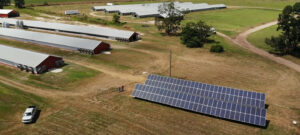
Large agricultural roofs may look ideal but still need checks for condition, loading, orientation, shading, fire separation and safe access. Ground-mounted arrays create different planning, cabling and land-use considerations. Structural and electrical surveys should inform the design before equipment is ordered.
Understand What Battery Storage Can Do
A battery can store surplus generation for later use, reduce peak imports and support smarter energy management. It does not create additional energy and should not be presented as automatic full-site backup. Capacity, charge rate, discharge rate, warranty and the farm’s demand profile all influence value.
Consider Resilience Separately
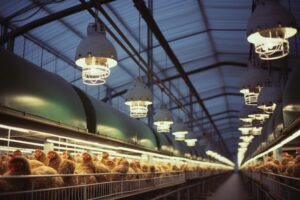
If continuity during a power cut is a priority, the design needs appropriate backup capability, changeover arrangements and a defined set of essential loads. Standard grid-connected solar normally shuts down when the network fails. Ventilation, controls and animal-welfare systems require particularly careful resilience planning.
Review the Existing Electrical Infrastructure
The survey should examine distribution equipment, cable routes, earthing, protective devices and the point of connection. Older farm buildings may have been extended in stages, so records do not always reflect the installed system. Electrical capacity and safety must be confirmed rather than assumed.
Plan for Monitoring and Maintenance
Good monitoring helps the farm see generation, consumption, battery behaviour and faults. Panels, inverters, batteries and protective equipment also need accessible locations for inspection and maintenance. Cleaning requirements depend on site conditions, roof pitch and manufacturer guidance, not a fixed universal schedule.
Coordinate Permissions and Network Requirements
Larger systems may require planning input, structural information and an application or notification to the electricity network operator. The exact process depends on the design and connection. Starting these discussions early reduces the risk that an otherwise complete project is delayed by approval or capacity issues.
Compare Proposals on Whole-Life Value
Look beyond panel count and headline savings. Compare equipment specifications, warranties, monitoring, workmanship, access arrangements, electrical upgrades, grid applications and aftercare. A realistic proposal should explain its assumptions and show how the system fits the farm’s actual use rather than relying on generic projections.
What to Prepare Before Requesting a Quotation
A useful quotation begins with accurate information. Photos and measurements can help an initial conversation, but they do not replace a survey where condition, access, compliance or hidden construction affects the recommendation. Prepare:
- the outcome you want and the problem you need to solve
- relevant photographs, drawings, manuals or previous reports
- known defects, changes and earlier repair or installation history
- access limits, operating hours and important programme dates
- questions about scope, exclusions, warranties and aftercare
Discuss Farm Solar with Lawson Electrical
Lawson Electrical Ltd can assess agricultural demand, buildings and electrical infrastructure before designing a solar and storage solution. A farm-specific approach helps ensure the system supports current operations and remains practical to maintain as the business develops.