
Modern agriculture is no longer just about unpredictable weather and manual labor. In 2026, the agricultural landscape across Yorkshire has evolved into a highly technical, automated industry. From automated feeding systems and climate-controlled poultry housing to expansive solar panel arrays, electricity is the lifeblood of the modern farm. Operating a farm with outdated or faulty electrical infrastructure poses massive operational, financial, and safety risks. Securing professional agricultural electrical services is essential to keep your agribusiness safe, efficient, and compliant with modern UK regulations.
Specialist providers like Lawson Electrical understand that agricultural environments place immense, unique stresses on electrical systems. Standard domestic wiring methods simply cannot withstand the harsh conditions of a working farm. Investing in specialized commercial and agricultural electrical care protects your livestock, safeguards your workforce, and optimizes your daily output.
The Dangerous Reality of Farm Electrical Failures
Farms are uniquely hazardous environments for electrical infrastructure. The combination of moisture, dust, corrosive gases like ammonia, and potential damage from pests creates a perfect storm for rapid equipment degradation.
Preventing Devastating Agricultural Fires
Electrical faults remain one of the leading causes of catastrophic fires on British farms. According to the NFU Mutual Farm Fires report, the total financial impact of farm fires surpassed £100 million annually.
A single short circuit in a barn or a corroded junction box in a grain store can ignite loose straw or dust instantly. Professional agricultural electricians combat this by installing specialized, heavy-duty components:
- IP-rated waterproof enclosures to seal out moisture and dust washdowns.
- Steel Wire Armoured (SWA) cabling to prevent damage from heavy machinery and gnawing rodents.
- Corrosion-resistant fixtures built to withstand aggressive chemical vapors found in livestock housing.
Eliminating the Threat of Stray Voltage
Stray voltage is a hidden problem that can severely impact dairy herds and livestock. Even a minor current leak from poorly grounded equipment into metal feeders, gates, or milking parlours can cause mild shocks to animals.
Maximizing Productivity in Poultry and Livestock Farming
Poultry and livestock farming require precise environmental control to ensure flock health and yield optimization. If the electricity fails, the consequences can be devastating within minutes.
The Vulnerability of Modern Poultry Infrastructure
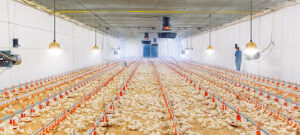
Automated poultry houses depend completely on a stable, continuous supply of power. Systems that require constant electrical monitoring include:
- Climate Control and Ventilation: Fans must run continuously to regulate temperature and extract ammonia. A power failure can cause rapid overheating and mass suffocation.
- Automated Feed and Water Delivery: Scheduled augers and pumping stations ensure animals get accurate nutrition.
- Lighting Cycles: Programmed lighting systems manage the growth and laying cycles of birds.
Partnering with a dedicated specialist ensures your backup power generators and automated changeover switches are regularly tested and instantly responsive. Lawson Electrical specializes in comprehensive poultry power systems, bringing over 15 years of industry experience.
Embracing Green Energy and Grid Independence in 2026
With shifting market dynamics, energy efficiency is a top priority for Yorkshire farmers looking to insulate themselves from volatile operating costs.
Offsetting Rising Energy Costs with Solar PV
The cost of electricity continues to put substantial pressure on agricultural margins, with UK benchmark spot market electricity prices seeing notable upward spikes in early 2026.
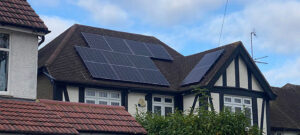
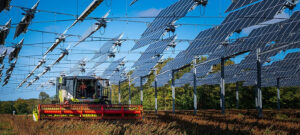
Installing commercial solar PV systems allows farms to generate clean, free electricity to power high-consumption machinery like milk chillers, grain dryers, and slurry pumps. Professional installations include:
- Solar Panel Arrays: Built on barn roofs to capture maximum daylight.
- Battery Storage Systems: Storing excess daytime generation for use during early morning milking cycles or overnight ventilation.
- Smart Monitoring Applications: Tracking real-time generation and energy consumption patterns to minimize grid dependency.
Integrating Commercial EV Infrastructure
As agricultural logistics move toward sustainability, many operations are adding electric support vehicles and vans to their fleets. Integrating dedicated commercial EV chargers into your yard requires an assessment of your farm’s overall power capacity.
Staying Compliant with UK Safety Regulations
Farms are legally classified as commercial workplaces, meaning they are bound by strict safety legislation. Neglecting regular testing can lead to heavy fines, invalidation of your commercial insurance, and prosecution if an accident occurs.
Periodic Inspections (EICR)
The Electricity at Work Regulations 1989 requires that commercial properties maintain safe systems. For the agricultural sector, it is highly recommended to complete an Electrical Installation Condition Report (EICR) at least every three years, or even annually for high-risk areas like milking parlours and wet processing sites.
An EICR can only be carried out by an accredited, fully trained electrician. They perform comprehensive testing to identify overloaded circuits, poor earthing, and hidden damage before they trigger a system failure or fire.
Choosing the Right Local Electrical Partner
Agricultural systems are complex and require highly specialized knowledge. When searching for a certified commercial electrician near me, it is critical to select a team with proven agricultural experience rather than a standard domestic contractor.
By working with an experienced partner for your farm electrical services, you gain access to custom design, seamless installation, and preventative maintenance plans that keep your operations running smoothly.
Conclusion
Yorkshire farms are processing hubs that rely entirely on robust electrical networks. As technology and automation advance through 2026, the risks of using outdated, unmaintained wiring grow exponentially. Investing in specialist agricultural care protects your family, workforce, and livestock while improving energy efficiency and lowering utility costs.