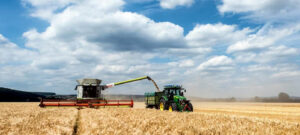

The agricultural landscape across the United Kingdom is experiencing a major technological revolution. Modern farming is no longer solely reliant on traditional manual labor; instead, it is driven by automated feeding machinery, complex climate control mechanisms, smart irrigation grids, and high-tech waste processing operations. While these advanced automated frameworks drastically improve crop yields and livestock welfare, they also demand immense amounts of power.
According to data published by the National Farmers’ Union (NFU), energy costs rank among the fastest-growing overhead expenses for UK agricultural businesses, with electricity usage accounting for a massive portion of a farm’s standard operational budget.
Implementing these specialized upgrades requires a deep understanding of heavy-duty industrial systems, moisture protection, and strict safety codes. For property owners across the region, partnering with experienced electricians East Yorkshire ensures that high-voltage farm infrastructure remains fully compliant and optimized for long-term savings.
As nationwide specialists in rural power engineering, Lawson Electrical has designed this comprehensive guide to explain exactly how modern agribusinesses benefit from energy-efficient electrical advancements.
The Critical Need for Specialized Power Systems in Agriculture
Standard domestic or light commercial electrical systems are not built to withstand the punishing environment of a working farm. Agricultural structures are constantly subjected to heavy dust, corrosive chemical ammonia from livestock, high humidity, and extreme outdoor weather conditions. Furthermore, agricultural equipment draws massive amounts of surge current when heavy motors start up, which can overload poorly designed power grids.
Investing in dedicated agricultural electrical services is essential for creating a reliable infrastructure. Specialized engineering ensures that all cabling, distribution boards, and switchgear are fully armored, safely sealed against moisture ingress, and properly rated to handle continuous heavy industrial loads. By prioritizing efficiency during the initial design phase, farmers can eliminate energy leaks, mitigate unexpected downtime, and prevent dangerous electrical fires.
Key Areas Where Energy Efficiency Transforms Modern Farming
Modern electrical upgrades target specific high-consumption areas to deliver immediate, measurable reductions in monthly utility bills.
1. Intelligent Automated Ventilation and Climate Control
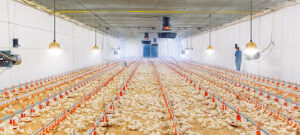
In intensive livestock environments, such as poultry farming, maintaining a precise ambient temperature and air change rate is vital for animal health and growth. Traditional ventilation systems run at a single continuous speed, consuming maximum power even when a gentle breeze would suffice.
- Variable Speed Drives (VSDs): Retrofitting VSDs allows ventilation fans to automatically adjust their operational speeds based on real-time temperature fluctuations, reducing energy consumption by up to 50% during milder weather.
- Automated Environmental Monitoring: Integrating smart sensors ensures that heating, cooling, and ventilation units work in perfect harmony, preventing systems from fighting against each other and wasting fuel.
2. High-Efficiency LED Lighting Transitions
Agricultural sheds, grain stores, and milking parlors require bright, uniform lighting for operational safety and to stimulate healthy livestock behaviors. Research by the Agriculture and Horticulture Development Board (AHDB) indicates that transitioning from old fluorescent or metal-halide fixtures to specialized agricultural LEDs can slash lighting-related energy costs by 60% to 80%.
- Unmatched Longevity: Heavy-duty LEDs last significantly longer, reducing the safety risks and costs associated with replacing bulbs high up on barn ceilings.
- Corrosion-Resistant Enclosures: Specialized agricultural LEDs feature high IP (Ingress Protection) ratings, protecting internal circuitry from high-pressure washdowns, dust, and airborne ammonia.
3. Smart Automated Feeding and Milking Systems
Automated feeding lines, conveyor belts, and robotic milking machines save thousands of hours of manual labor, but they can easily drive up peak demand charges if they all run simultaneously. Modern energy-efficient control panels allow farmers to program these high-draw systems to operate sequentially or during cheaper off-peak electricity hours, smoothing out the farm’s power demand curve.
Protecting Profits and Ensuring Safety Through Professional Compliance
Farms are dynamic, high-risk work environments where a single electrical fault can cause catastrophic financial losses, ruin sensitive produce, or compromise animal welfare. The Health and Safety Executive (HSE) consistently reports that faulty electrical installations and poorly maintained machinery are leading causes of fires and accidents within the UK agricultural sector.
To mitigate these risks, implementing certified Agricultural Electrical Installation Services is paramount. A professional installation goes far beyond basic wiring; it includes the strategic placement of surge protection devices, the creation of robust grounding networks to prevent stray voltage from shocking livestock, and the installation of automatic backup generator links. This technical precision ensures that your operations remain fully compliant with strict safety regulations, keeping your business fully insurable and operational during unexpected grid failures.
Solar Energy and Battery Storage Integration
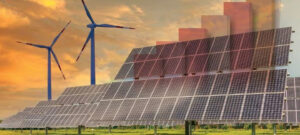
True energy independence is achieved when efficiency upgrades are paired with on-site renewable energy generation. Farms are uniquely positioned to capitalize on solar power due to the expansive, unobstructed roof spaces available on modern agricultural barns and outbuildings.
Capitalizing on Solar PV Infrastructure
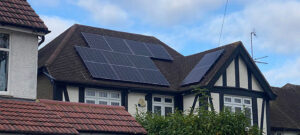
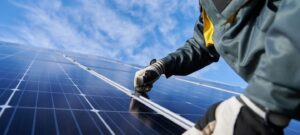
Installing an industrial-scale solar photovoltaic (PV) array allows farms to generate clean, free electricity precisely when dairy parlors, cooling fans, and automated machinery are operating at peak capacity. This direct consumption drastically lowers reliance on the national grid and provides a buffer against fluctuating market energy rates.
The Power of Battery Storage Systems
- Capturing Surplus Energy: Commercial battery storage units capture excess electricity generated during peak daylight hours instead of sending it back to the grid for minimal returns.
- Peak Shaving Performance: Stored power can be discharged during peak demand periods to avoid high utility charges, or used as an instantaneous backup power supply during a main grid failure.
Partnering with Agricultural Electrical Experts
Designing and executing a comprehensive agricultural energy strategy requires a team with deep, real-world experience in both electrical engineering and rural land management. General domestic contractors often lack the specialized knowledge required to safely manage three-phase power upgrades, poultry shed climate controllers, or heavy-duty crop drying circuits.
When searching for a trusted partner, UK agribusinesses rely on industry leaders like Lawson Electrical. With over 15 years of industry experience, their team of fully certified, in-house engineers specializes in delivering bespoke commercial, renewable, and poultry farm installations nationwide. From initial energy audits and solar integration to preventative maintenance and rapid emergency breakdown support, they provide the technical expertise needed to streamline your farming operations for a sustainable, highly profitable future.
Conclusion
Upgrading to an energy-efficient electrical infrastructure is an essential investment for any forward-thinking UK farm. By modernizing high-consumption climate systems, transitioning to durable agricultural LED lighting, and securing systems with professional installations, farmers can effectively lower operational overheads and enhance site safety. In an era where sustainability and cost management dictate commercial survival, optimizing your farm’s electrical grid ensures your agribusiness remains resilient, competitive, and highly profitable for generations to come.